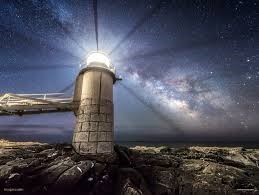
Blog note. Jesus indicated that ‘fearful sights’ (various natural disasters) would occur leading up to the time known as the Tribulation and Great Tribulation (a combined seven year period of great destruction on earth). Although these types of things have occurred in the past for centuries and thousands of years, they could be identified as the ‘season of the times’ due to the ferociousness of these events. They would be occurring in greater intensity, severity, frequency, size, duration, scope … just like the pains that a woman experiences in labor the farther along she is in the labor process. We are in the ‘season of the times’ that comes just before the seven (7) year Tribulation/Great Tribulation period
… And great earthquakes shall be in diverse places, and famines, and
pestilences; and fearful sights and great signs shall there be from heaven.
(Luke 21:11).
… And there shall be signs in the sun, and in the moon, and in the stars; and
upon the earth distress of nations, with perplexity; the sea and the waves
roaring; (Luke 21:25)
… Men’s hearts failing them for fear, and for looking after those things which
are coming on the earth: for the powers of heaven shall be shaken; (Luke 21:26)
… This know also, that in the last days perilous times shall come. (2 Timothy
3:1)
Jesus is giving a series of prophecies about what to look for as the age of
grace comes to a close. These verses are several of many such prophecies from
throughout the Bible. 2017 was the worst year in recorded history for the
intensity, frequency, severity, duration and occurrence of a large number of
severe natural disasters worldwide. Earthquakes, volcanoes, hurricanes,
typhoons, cyclones, torrential flooding, unprecedented wildfires in unusual
places, devastating droughts, excessive/scorching heat setting records
everywhere, record snowfalls in Europe and Russia. Snow in the Arabia. This
list can go on. Most studied Eschatologists believe these ‘fearful sights’ and
massive natural disasters are all part of the ‘CONVERGENCE’ of signs that this
Biblical and prophetic age is closing. Most people who study prophecy are
familiar with the routine reference(s) made that these things will be like
a woman having labor pains, growing in intensity, frequency, size and duration.
The Orionids, one of the ‘top 5 meteor showers of the year,’ will peak early next week. Nearly 25 (5×5) meteors per hour. ‘Increasing like the pains of a woman in labor.’
Brian Lada AccuWeather•October 15, 2019
One of the best meteor showers of the year will peak early next week and will treat onlookers with nearly 25 (5×5) meteors per hour, as long as clouds do not interfere.
People planning to view the Orionid meteor shower should mark their calendar now for the night of Monday, Oct. 21 into the early morning of Tuesday, Oct. 22 as the shower reaches its peak.
“I would rank the Orionids in the top five meteor showers of the year,” AccuWeather Astronomy Blogger Dave Samuhel said. “It will be the strongest shower since the Perseids of August.” “Sparked by Halley’s Comet, the Orionids provide 20 to 25 meteors per hour on the peak night,” Samuhel said.
However, there have been several years in recent memory where the Orionids have exceeded expectations. “In exceptional years, such as 2006-2009, the peak rates were on par with the Perseids (50-75 per hour),” the American Meteor Society (AMS) said.
Onlookers may spot shooting stars streaking across the sky beginning late Monday evening, but they will come in much greater numbers later in the night.
“This shower will be best viewed after midnight,” Samuhel said. “If you can spot Orion, then get ready for some meteors.”
This is because the shower’s radiant point, or point of origin, is located near the constellation Orion which doesn’t rise until after 11 p.m. local time. The higher the radiant point is in the sky, the higher the hourly rates of meteors per hour.
However, onlookers do not need to look at the radiant point to see meteors as they will appear in all areas of the sky.
Unfortunately, the moon will be a bit of an issue this year as it will rise just after midnight on the peak night, and will be around 50% illuminated, Samuhel said. This added light in the sky will make it more difficult to see some of the dimmer meteors, so late-night stargazers should look for meteors in parts of the sky away from the bright moon.
This year, the best viewing conditions are expected across the central and southwestern United States as cloud-free conditions are in the forecast during the peak of the Orionids.
Meanwhile, a large, far-reaching storm system will spread clouds across much of the eastern United States and into Ontario and Quebec, making it difficult to spot meteors on Monday night.
Disruptive clouds will also lead to poor viewing conditions across the Pacific Northwest and across the Canadian Rockies.
Clouds could also disrupt stargazers across Alaska with patchy clouds in the forecast over Hawaii.
Meteor showers occur when the Earth passes through a field of debris left behind by a comet or asteroid. Much of this debris is very small, ranging from the size of a grain of sand to a small pebble.
Despite their small size, they glow brightly as they burn up while entering Earth’s atmosphere.
“The Orionid meteor shower is actually the second meteor shower of the year caused by Halley’s Comet,” Samuhel said.
“The Eta Aquariids in May are also triggered by tiny particles from the famous comet. But the Orionids are the more active of the two showers,” he sai
Folks that miss the peak of the Orionids will have plenty of opportunities to look for shooting stars before 2019 comes to a close.
Four more meteor showers will reach their peak in the coming months, including the Geminids in mid-December. This shower regularly features over 100 (5+5) meteors per hour.
Categories: Signs in the Heavens Update