



Blog note. Jesus indicated
that ‘fearful sights’ (various natural disasters) would occur leading up to the
time known as the Tribulation and Great Tribulation (a combined seven year
period of great destruction on earth). Although these types of things have
occurred in the past for centuries and thousands of years, they could be
identified as the ‘season of the times’ due to the ferociousness of these
events. They would be occurring in greater intensity, severity, frequency,
size, duration, scope … just like the pains that a woman experiences in labor
the farther along she is in the labor process. We are in the ‘season of the
times’ that comes just before the seven (7) year Tribulation/Great Tribulation
period
… And great earthquakes shall be in diverse places, and
famines, and pestilences; and fearful sights and great signs shall there be
from heaven. (Luke 21:11).
… And there shall be signs in the sun, and in the moon, and
in the stars; and upon the earth distress of nations, with perplexity; the sea
and the waves roaring; (Luke 21:25)
… Men’s hearts failing them for fear, and for looking after
those things which are coming on the earth: for the powers of heaven shall be
shaken; (Luke 21:26)
… This know also, that in the last days perilous times shall
come. (2 Timothy 3:1)
Jesus is giving a series of prophecies about what to look for
as the age of grace comes to a close. These verses are several of many such
prophecies from throughout the Bible. 2017 was the worst year in recorded
history for the intensity, frequency, severity, duration and occurrence of a
large number of severe natural disasters worldwide. Earthquakes, volcanoes,
hurricanes, typhoons, cyclones, torrential flooding, unprecedented wildfires in
unusual places, devastating droughts, excessive/scorching heat setting records
everywhere, record snowfalls in Europe and Russia. Snow in the Arabia. This
list can go on. Most studied Eschatologists believe these ‘fearful sights’ and
massive natural disasters are all part of the ‘CONVERGENCE’ of signs that this
Biblical and prophetic age is closing. Most people who study prophecy are
familiar with the routine reference(s) made that these things will be like
a woman having labor pains, growing in intensity, frequency, size and duration.
Alaska records warmest month ever in July with coastline barren of sea ice
The Guardian. August, 2019
A heatwave pulsating through the Arctic helped push Alaska to its warmest month ever recorded in July, with the state’s vast coastline left completely barren of sea ice.
Alaska’s average temperature in July was a record 58.1F (14.5C), nearly 1F above the previous monthly high set in July 2004, according to the National Oceanic and Atmospheric Administration (NOAA). Cities and towns across the vast US state, such as Anchorage, Utqiaġvik (formerly known as Barrow) and Kodiak all had their warmest month in 125 years of record-keeping.
This heat, 5.4F warmer than the long-term average for July, helped spur wildfires that shrouded much of Alaska in a pall of smoke and has now resulted in a remarkable melting away of shoreline ice.
There is now no sea ice within 150 miles of Alaskan shores, according to an analysis by the National Weather Service. The pace of ice loss is “unprecedented” in 40 years of satellite records, scientists said, with the Bering Sea, which separates Alaska from Russia, left completely ice-free.
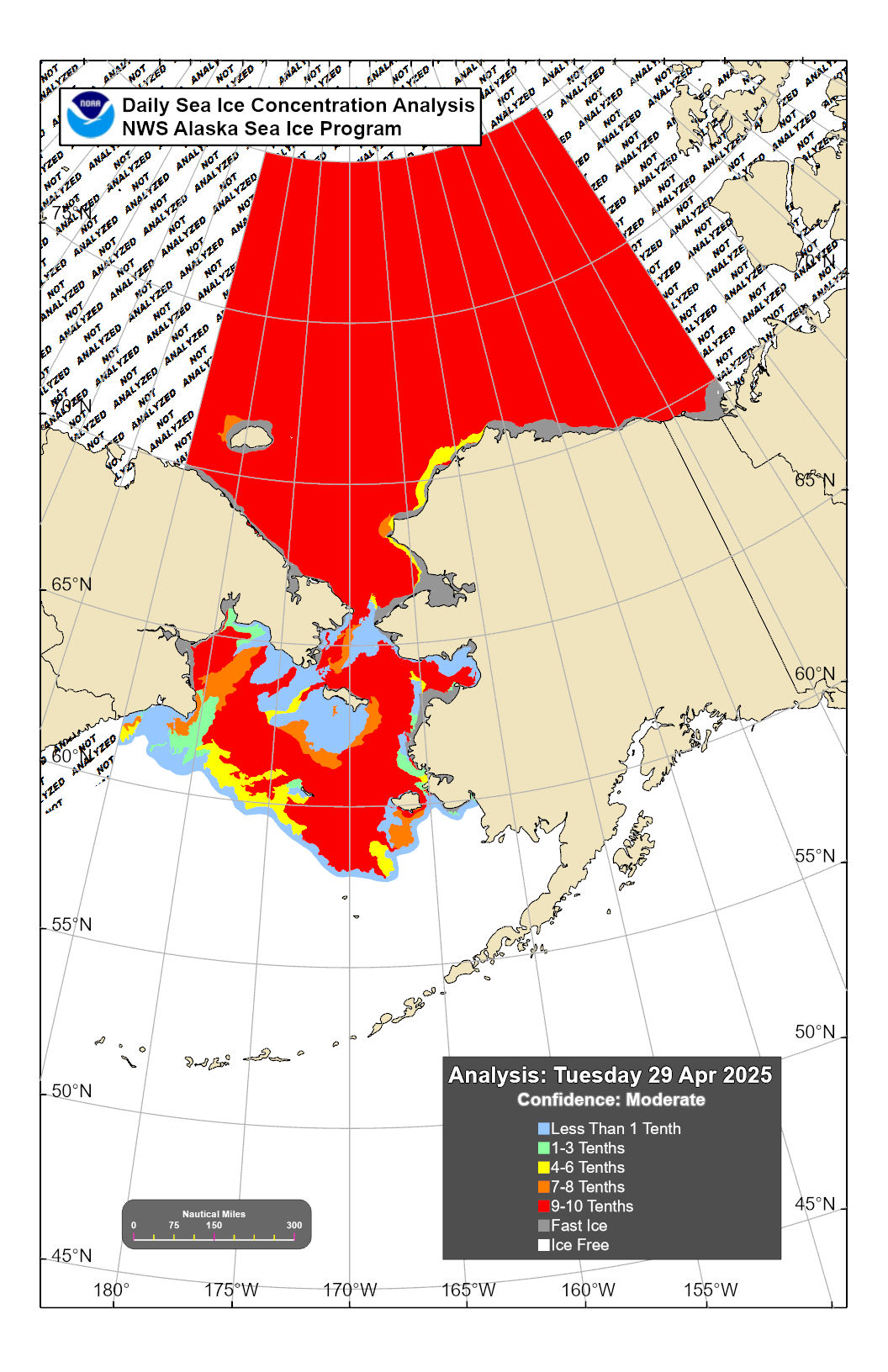
The record-breaking warmth in Alaska is part of a broader heatwave that has swept the northern latitudes, with Greenland shedding a record 12.5 gigatons of ice into the ocean in a single day, Norway experiencing its joint hottest day ever and forest fires in Siberia tearing through an area as large as Belgium.
Scientists warned that the extreme conditions are consistent with the most pessimistic scenario where countries do little to constrain global heating by cutting planet-warming gases from cars, trucks and power generation.
“We are seeing record after record after record,” said Marco Tedesco, a climate scientist at Columbia University’s Lamont-Doherty Earth Observatory, of the heat and melting episodes.
“It looks like the worst case scenario put forward by the IPCC [International Panel on Climate Change] could be an underestimate because we are seeing ice melting now that we expected 30 to 40 years from now. It’s alarming because it’s very fast-paced and the consequences are hard to predict.”
Arctic sea ice accumulates over winter before receding as temperatures start to rise in spring. The unusually hasty retreat of ice in 2019 has been prompted by persistent southerly winds, storms and high temperatures roiling both the Pacific and Atlantic Oceans. Across the Arctic, July set a new record low for sea ice extent, at 2.93m sq miles.
“While we cannot directly compare one particular extreme year to climate change, the long-term trends are obvious – sea ice is declining and temperatures are rising,” said Zack Labe, a climate scientist at the University of California, Irvine.
He added: “Without a dramatic reduction in greenhouse gas emissions, climate change will continue to increase the probability of extreme heatwaves around the world.”
The Arctic is heating up at about twice the average of the rest of the world, with the frigid polar region caught in a spiral where sea ice thins and melts away, opening up vast tracts of dark ocean that is more absorbent of heat, causing further warming.
The loss of ice causes numerous hazards for communities living in the Arctic, with many facing complete relocation. Meanwhile, the melting of glaciers in Greenland are a leading contributor to sea level rise that imperils coastal cities around the world via flooding.
Tedesco said that the pace of melting in Greenland this year is on track to break a record set in 2012, when a net 562 gigatons of ice was lost. This will probably raise the global sea level by more than 1mm. If Greenland’s entire ice sheet were to melt, the world’s oceans would rise by about 20ft.
“What’s happening in Greenland is exceptional and shows that the melting is not only increasing but accelerating,” said Tedesco.
“There are still cascading events we still don’t fully understand. We will see impacts on society and life as we know it.”
The unspooling of the Arctic’s environment will be just one consequence of global heating discussed at an upcoming UN climate summit in New York in September.
Governments will meet amid growing alarm over heatwaves, fierce storms, drought and food insecurity that have wracked countries around the world. Such concerns have sparked a global protest movement, headed by young activists such as the teenager Greta Thunberg, who is sailing to New York on a solar-powered boat for the UN summit.
“My concern is that Greenland will be forgotten because there will probably be a huge hurricane by then,” said Tedesco. “Momentum is gaining but there is clearly a strong need to take real action on this at a government level.”